Complicity

The world feels dark this week. Israel has prevented any humanitarian aid from reaching Gaza for almost 2 months. People are starving, as well as being under constant threat of bombing. Since January, 10,000 cases of acute malnutrition among children have been identified, including 1,600 cases of severe acute malnutrition. We can never say we did know. Pictures of skeletal children flood social media. “The blockade of aid is a breach of International Humanitarian Law, including Article 23 of the Fourth Geneva Convention, which mandates free passage of essential humanitarian supplies. It also violates international human rights law, including Article 11 of the International Covenant on Economic, Social and Cultural Rights, which guarantees the right to food.” Who will hold Israel accountable for these atrocities? Many countries are complicit in the genocide, including the UK, but the US is bankrolling the killing. In 2024 alone, the U.S. government sent Israel at least $17.9 billion. They could stop the horror by stopping the flow of money.

Continue reading

we are not numbers

I had a relatively quiet week at work, off the wards, so tackled my to-do list. It’s a long list. I chose my least favourite task, writing the ward rota for the Respiratory Consultants. Why is a Consultant doing this tedious task, you may ask? This is a symptom of more than a decade of underinvestment in the NHS and the false economy of cuts, and more cuts, to a dwindling admin support team, resulting in more and more tasks being piled onto the clinical workforce. It would have been unthinkable to expect a Consultant to write a rota ten years ago. From a public and organisational perspective, it makes no sense to have employees who are paid well for their expertise and experience, performing admin tasks. Whilst I wrestle with excel spreadsheets, and attempt to solve hierarchical constraints problems, I am not delivering or improving patient care. Not only this, an undervaluing of admin in the NHS has led to low staff retention and poor patient experience. False economy is a feature of the modern NHS. Next time a politician talks about ‘cutting backroom staff’, remember that the work of the backroom does not go away, it just lands on the desk of the front line staff.

Continue reading

Tired of being tired

I’m sure I didn’t used to get so tired. My 40 something year old body just does not keep its’ charge as well as it used to. But it could perhaps be forgiven as it had to cope with 12 consecutive days at work with a 12 hour Sunday shift thrown in for good measure. There are well documented adverse health effects of working extended hours including: depression and anxiety; sleep quality; physical injury; coronary heart disease; and some cancers. There are also concerns about decision fatigue setting in by the end of a 12 hour shift. This has not been adequately studied, but it certainly feels true.

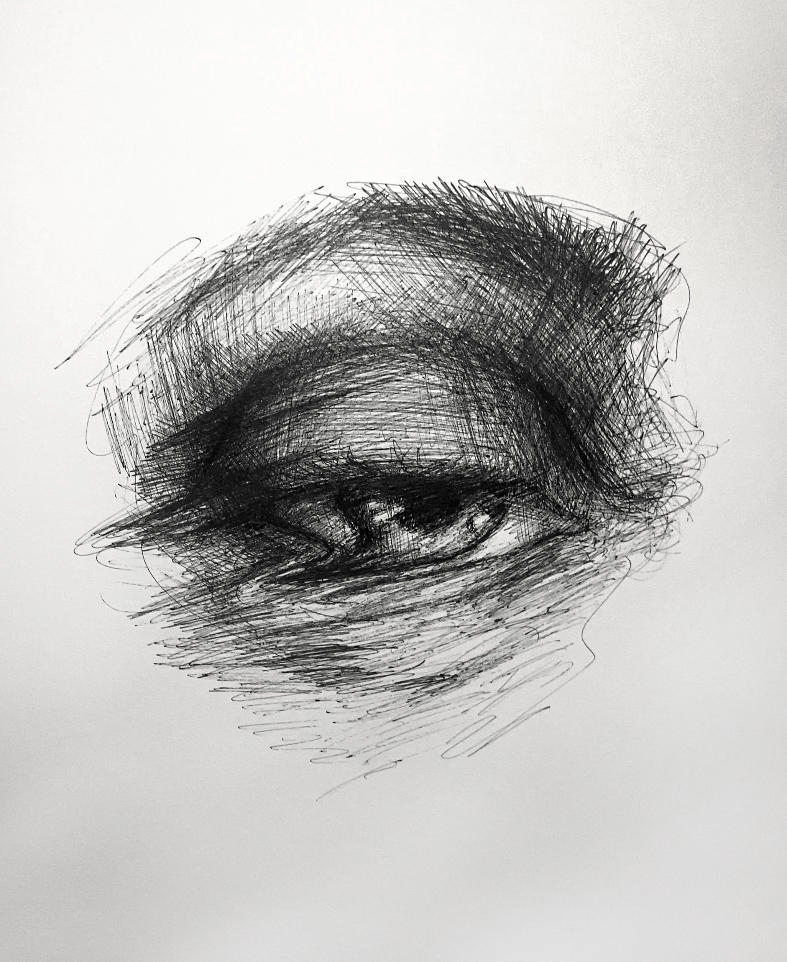
“Tired” by Sima Jo Benson.

It’s not merely long hours that have contributed to my fatigue. The constant chaos of the NHS is draining, driving many colleagues to retire earlier than planned. I attended a Kafkaesque meeting in which the first half was spent discussing the dictat that we find ways to save money. We are provided with no data, no suggestions, no project management support. There is also zero focus on improving patient care. Just save money. The second half of the meeting was spent looking at recent staff survey outcomes which are the worst they have ever been, showing staff feel unable to provide high quality care, do not feel in control of their services, and do not feel supported in their improvement plans. We were asked to explain why we are so unhappy and what we propose to do about it!

Continue reading

Euphemistically speaking

This week Labour announced ‘reforms’ to the benefits system as part of Rachel Reeves’ Spring Statement. Reform only ever means one thing in politics: cuts. The narrative from Labour is that they are having to make ‘hard choices’ because the Tories left everything in a mess. ‘Hard choices’ is another euphemism, parroted by the cabinet to justify economic violence towards ill and disabled people. Attempting to frame this is a moral crusade to get people back to work must surely leave a bitter taste in the mouths of any Labour ministers who still have a conscience. As NEF has shown, the widely reported numbers of £4.8bn of cuts leading to 250,000 more people being pushed into poverty, including 50,000 children, were actually an underestimate. The government have attempted to hide the truth using accounting tricks, factoring in a never implemented policy called the Work Capability Assessment which would have made it harder for people to qualify for a higher rate of universal credit on the basis of illness or disability. It was never implemented, so whilst it may make sense on spreadsheets, it is irrelevant to actual people, living on very little in a cost of living crisis. NEF analysis shows that the cuts will hit ill and disabled people by almost £2bn more than reported and could see around 100,000 additional people pushed into poverty.

Continue reading

Silence

It has been 5 weeks since my last post. My routine of reflecting each week was disrupted by climbing a mountain and it has taken until this weekend to feel that I am back to normal life.

5 weeks is a long time in the death throes of internationalist liberal democracy.

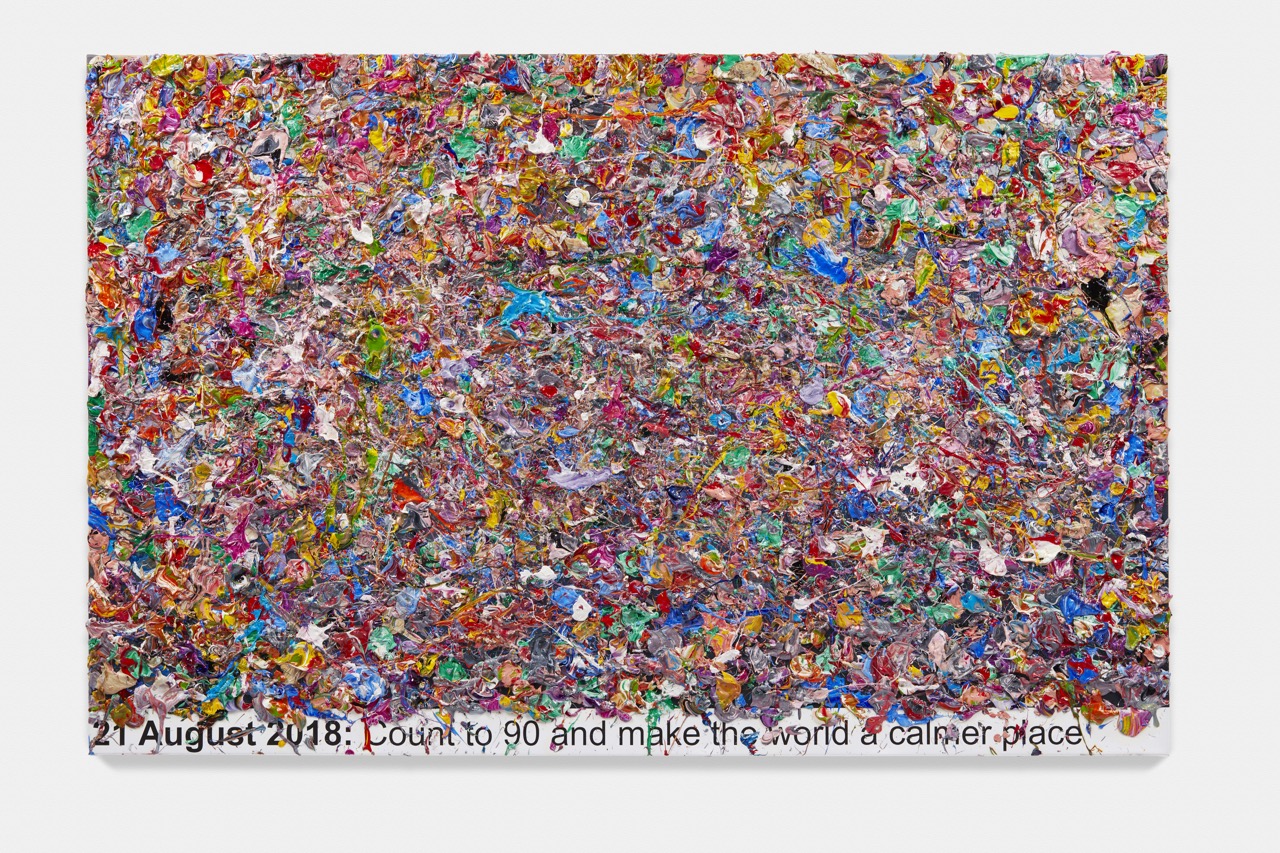
Newscloud (Chaos) 21 August 2018 Marc Quinn 2019
Continue reading

The Mountain

In life we all face metaphorical mountains, but this week I am literally climbing a mountain. When a friend said she wanted to challenge herself for her 40th year and climb Mount Kilimanjaro, the highest peak in Africa, my impulsive response was ‘That sounds great!’.

A year of training (not enough) and worrying about mountain-worthy equipment (too much) and mountain sickness (probably the right amount) later and here I am, about to leave for the airport.

If the Kili blogs are anything to go by, I will return aching, but enlightened, as the mountain teaches us many lessons. We’ll see! Whatever happens, this experience has already reminded me that it’s good to do things that challenge and scare us, and to test both body and mind.

We have paid for the trip, and are raising money for 2 charities: the Samaritans and Women’s Aid. If you can add to our fund, please do. Every penny will go direct to these charities which do life saving work.

Hopefully I’ll be back in 2 weeks with pictures and stories, and hopefully the world will not have descended into World War 3 whilst I’m out of signal range. I know I’ll be looked after by this incredible group of women so make sure you look after each other too.

Hostile spaces

I had a stressful Wednesday. I was called to give evidence in person at an inquest, which was a surprise as my involvement in the patient’s care was peripheral. The court was tiny. We started very late, and had to wait for an hour in an unheated corridor between the door and the toilet.

All I could think about was every more useful thing I could be doing with this time. In my mind, my to do list is a pile of crisp bits of paper, each one with a task typed on it on an old fashioned typewriter, like the in-tray from a movie from the 1950s. This gets higher and higher, and then becomes an unruly mess, threatening to topple over and crush me. I had moved things around to be available all day, but could not move a webinar I was co-presenting in a 1 hour window at lunchtime. I asked to be released for this. After some discussion I was allowed to give my evidence first.

The Coroner’s court is supposed to be a fact-finding mission, rather than an adversarial or litiginous process, but this depends on whether there are lawyers present, and if so, what approach they choose. The questions were fair but challenging. It was a good experience, to have given evidence when I only played a minor part in the case. All healthcare professionals can expect to be involved in legal processes these days. We all find them very stressful.

Continue reading

Fragile hope

A ceasefire was announced between Hamas and Israeli forces. In the few days between the announcement and the proposed start, Israel killed at least 103 people and injured over 260 in Palestine. Netanyahu didn’t even wait until the start of the ceasefire to threaten even greater killing and destruction, and has called the halt to the bombing ‘temporary’. The start of the ceasefire was delayed as Netanyahu demanded the names of the first 3 hostages that would be released. During the delay Israeli warplanes attacked the northern Gaza Strip and killed 8 people. Hamas has now released a list of 34 hostages who will be released in a phased approach over 6 weeks. They include Ariel Bibas, age 5, and Kfir Bibas, age 1. The trauma suffered by these children, and the children of Palestine is unimaginable.

I like to look at the Guardian’s photography feature, the week in pictures. This week shows both desperation and hope in Gaza. The ceasefire is welcome, but it is merely a pause, it is fragile, and it is just the start. I fear that the international community will continue to fail the people of Palestine and that we will not see justice in our lifetime. But we must continue to demand accountability and repercussions for the perpetrators of genocide; and peace, justice, safety and self-determination for the people of Palestine. I continue to support Osama and his family and hope they get the chance to rebuild their lives and pursue their dreams.

Continue reading

This is why we can’t have nice things

We’re a week into the New Year and already things are quite terrible. Here are a few lowlights:

Continue reading

New year, new hope

It’s a New Year! January the 1st is not only the start of the New Year in the Gregorian calendar, but also the Roman and Julian, so if you’re still following the Julian calendar like the Amazigh people, then we’re in synch. There are of course New Years all through the year in different countries and cultures, and some New Years which move. This feels destabilising. I like the predictability of seasons and festivals. This week I learned that January the 1st is a feast day in the calendar of Eastern Orthodox calenders because it is the Feast of the Circumcision of Christ. I’m not sure this knowlege has enhanced my life. And now you can reflect on whether it has enhanced yours.

I did not stay up until midnight. I was pretty exhausted from work so had the most luxurious evening eating a lovely dinner and retiring to bed. My favourite thing about getting older is that I feel less and less need to do what’s expected and instead I do whatever I like! P__ stayed up but he’s a definite night owl, wheras I’ve had to accept that I’m more of a morning lark.

Continue reading